Best Time to Visit Tup Island Sandbar: Low Tide Times & Crowd Avoidance Tips (2026)
Want to walk the famous Tup Island sandbar in Krabi? Learn the best low tide times, which months to visit, how to avoid the crowds, and what to expect — complete 2026 guide.
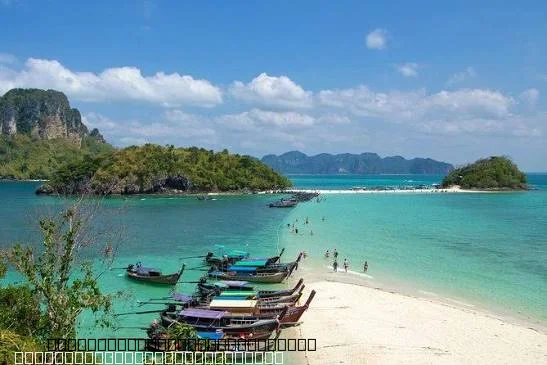
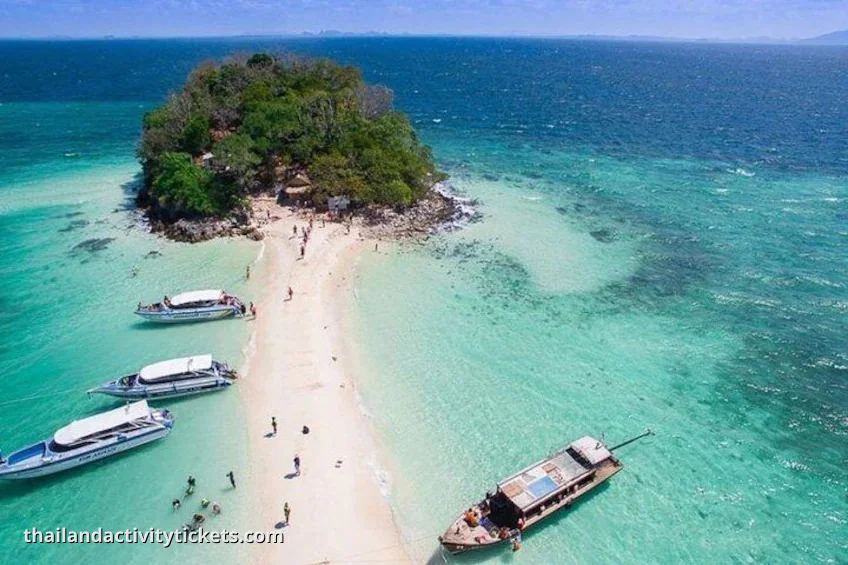
You've seen the photo a hundred times — a thin strip of white sand stretching between two jungle-covered islands, turquoise water glittering on both sides, people walking what looks impossibly between two islands in the middle of the sea.
That's the Tup Island sandbar. And yes, it's every bit as stunning in real life.
But here's what most travel blogs don't tell you: the sandbar isn't always there. It appears and disappears with the tides, typically for a window of just 2–3 hours a day. Visit at the wrong time and you'll see nothing but water where the sandbar should be.
This guide tells you exactly when to go, what the tides look like month by month, how to check before you leave, and — critically — how to avoid sharing the sandbar with a hundred other tourists all trying to take the same photo.
What Is the Tup Island Sandbar?
Tup Island (also written as Tub Island, Koh Tup, or Thap Island — all the same place) is a small island about 8 km southeast of Ao Nang in Krabi Province. At low tide, the sea pulls back to reveal a natural sandbar — called Talay Waek in Thai, meaning "separated sea" — that connects Tup Island, Koh Mor, and Chicken Island (Koh Kai) in a rough T-shape.
The sandbar is shallow — you wade ankle-to-knee-deep along the edges — and the visual contrast between the pale sand, turquoise water, and limestone-cliffed islands surrounding you is extraordinary. It's the kind of scene that makes people stop talking mid-sentence.
It's also the most photographed stop on the 4 Islands Tour Krabi — and for good reason.
The Most Important Thing to Understand: The Sandbar Is Tide-Dependent
This cannot be overstated. The Tup Island sandbar only appears during low tide, typically for a window of 2–3 hours. Outside that window, the sand is underwater and there's nothing to walk on.
Krabi experiences a mixed semi-diurnal tidal pattern — meaning there are roughly two low tides and two high tides per day, but they're not equal in height. The larger low tide of the day is the one that exposes the sandbar fully. The smaller low tide may only partially reveal it.
Low tide times shift approximately 45–50 minutes later each day, cycling through all times of day over the course of a month. This means:
- Some weeks, the best low tide is at 8–10 AM — ideal for morning tours
- Other weeks, it falls at 12–2 PM — midday, which means more crowds
- And some days, the useful low tide may fall in the late afternoon or at night, when tours have already returned
The practical upshot: the sandbar experience you get depends heavily on which day of the month you visit — not just which month of the year.
How to Check the Tide Before You Book
Don't leave this to chance. Here's how to time your visit properly:
Step 1: Go to tide-forecast.com/locations/Krabi or search "Krabi tide times" for your travel dates.
Step 2: Find the days when the low tide falls between 8 AM and 11 AM. This is the sweet spot — early enough to beat the midday tour rush, late enough that your 8:30 AM departure from Ao Nang will arrive at Tup Island as the sandbar is revealing itself.
Step 3: Cross-reference with your travel dates. If you have flexibility of even 2–3 days, you can often shift to a much better tide window.
Step 4: When you book, ask the operator what time the tour arrives at Tup Island and whether it will coincide with low tide on your chosen date. A good operator will know.
Pro tip: The 4 Islands Tour departs daily at 08:30 AM from Ao Nang, reaching Tup Island approximately 60–90 minutes later. On days when low tide is around 10–11 AM, this aligns almost perfectly with sandbar exposure.
Best Months to Visit Tup Island: Month-by-Month Guide
November — ⭐⭐⭐⭐⭐ Excellent
The dry season begins and Krabi transforms. Seas calm down rapidly after the monsoon, skies clear, and the sandbar appears reliably at low tide. Crowds are present but not overwhelming — peak season hasn't fully kicked in yet. November is arguably the best month for value, weather, and sandbar access combined. Temperatures sit around 28–30°C.
December — ⭐⭐⭐⭐ Very Good (Busy)
Excellent weather and calm seas, but peak tourist season is in full swing. The 4 Islands Tour boats fill up fast, and Tup Island can get crowded during midday stops. Book well in advance, especially around Christmas week (December 22–27) when tour availability is very tight. The sandbar is reliable.
January — ⭐⭐⭐⭐ Very Good (Busiest)
The peak of peak season. Weather is near-perfect — sunny, dry, temperatures around 28–31°C, and the Andaman Sea is at its calmest. The sandbar is beautiful. The downside: this is the most crowded month of the year. Multiple tour boats often arrive at Tup Island simultaneously, which dilutes the experience. Early morning departures matter more in January than any other month.
February — ⭐⭐⭐⭐⭐ Best Overall
February is consistently rated the single best month to visit Krabi — and by extension, Tup Island. Rainfall is minimal (around 23mm average), seas are calmest, temperatures are comfortable (28–31°C), and crowd pressure is slightly lower than January. If you can visit in February, do it.
March — ⭐⭐⭐⭐ Very Good
Still dry season, still great weather. Slightly warmer than February, and crowds begin to thin toward the end of the month as European school holidays end. A solid choice with good sandbar conditions.
April — ⭐⭐⭐ Good (Shoulder Season)
April is the hottest month (30–36°C) and technically still dry season, though rain becomes more frequent toward late April. Fewer tourists mean fewer boats at Tup Island, which can actually make for a better sandbar experience. The sandbar is still reliable early in the month.
May — ⭐⭐ Variable
The monsoon season begins. Rain showers increase, seas can get choppy, and some tour operators adjust their itineraries based on daily conditions. The sandbar can still appear at low tide, but rough water can make the experience less pleasant. Not recommended unless you have flexible dates and will check conditions day by day.
June–October — ⭐ Rainy Season
Krabi's monsoon period. Extended rainfall, rough seas, and reduced tour frequency. Some operators suspend the 4 Islands Tour entirely in September and October. The sandbar may still appear but conditions make the visit unpredictable and sometimes unsafe. Only experienced travellers comfortable with variable conditions should visit during this period.
How to Avoid the Crowds at Tup Island
The sandbar looks magical in photos partly because the photos are taken at quiet moments. In peak season (December–February), dozens of tour boats can arrive at Tup Island within the same 2-hour low tide window, turning a peaceful natural wonder into a crowded beach scene.
Here's how to beat it:
1. Book the earliest departure available
The 4 Islands Tour departs at 08:30 AM from Ao Nang. Most group tours cluster around similar schedules, but early arrivals at Tup Island (before 10 AM) consistently see fewer boats and better photo conditions. Arriving even 20 minutes before the midday rush makes a visible difference.
2. Visit on weekdays
Weekend departures, particularly Saturdays, carry more passengers and see more competing tour groups at the islands. Tuesday through Thursday tends to be quieter.
3. Avoid peak school holiday weeks
The three most crowded windows each year are: late December to early January (Christmas–New Year), Chinese New Year (January or February depending on year), and European Easter holidays (March or April). If your dates fall in these windows, book tours especially early.
4. Ask your operator about their Tup Island timing
Not all tours arrive at Tup at the same time. A good operator schedules the itinerary to hit Tup Island early in the tour, before competing boats arrive. Ask specifically: "What time do we arrive at Tup Island?" before you book.
5. Move away from the landing area
When boats dock at Tup Island, most passengers walk the same 50 metres of sandbar directly in front of the landing spot. Walk further along the sandbar toward Chicken Island and you'll often find yourself almost alone — with better views and cleaner photos.
What to Expect When You Get There
The sandbar itself is about 200–300 metres long when fully exposed, connecting Tup Island, Koh Mor, and leading toward Chicken Island. The water on either side is ankle-to-knee depth at its edges and completely clear — you can see the sandy bottom and fish swimming around your feet.
Walking the full length takes about 10 minutes at a leisurely pace. The sand is soft and white. The surrounding water is the kind of blue-green that photographers spend careers chasing.
A few practical things to know:
- Water shoes are recommended — the edges of the sandbar have shell fragments and occasional sharp coral patches
- The sandbar disappears quickly — as the tide rises, the central sections go underwater first. If your guide calls you back to the boat, go. Don't linger on a shrinking sandbar.
- Shade is essentially zero — bring a hat and apply reef-safe sunscreen before you leave the boat
- Facilities are minimal — no toilets, no shops, no shade structures. Everything you need comes on the tour boat.
- Photography tip: Morning light (8–10 AM) gives softer shadows and better water colour than the harsh midday sun. Another reason to go early.
What Happens If You Visit at High Tide?
If the tide is against you, Tup Island is still a pleasant stop — there's a small beach, calm water for swimming, and good snorkeling around the edges of the island where coral and fish are plentiful. But the main attraction — walking between islands — won't be possible.
This is why checking tide times before you book is so important. If you have date flexibility, a small shift of even 1–2 days can completely change your sandbar experience.
Tup Island as Part of the 4 Islands Tour
The best and most practical way to visit Tup Island is on the 4 Islands Tour from Krabi, which combines it with three other spectacular stops:
- Chicken Island (Koh Kai) — snorkeling around the famous chicken-head limestone rock
- Poda Island (Koh Poda) — white sand beach, swimming, and a beachside buffet lunch
- Phra Nang Cave Beach — stunning limestone cliffs, emerald water, and the legendary Princess Cave shrine
The full tour runs approximately 6 hours and departs daily at 08:30 AM from Ao Nang, with hotel pickups from Krabi Town, Klong Muang, Ao Nang, Tubkaak, and Railay Beach.
Both speedboat and longtail boat options visit Tup Island on the same route. The speedboat arrives at each island sooner, giving you more time on the sandbar. The longtail gives you the iconic boat experience but less island time per stop.
Quick Reference: Planning Checklist
Before you book, run through this:
- Check tide times for Krabi on your travel dates at tide-forecast.com
- Identify days with low tide between 8 AM and 11 AM
- Book the 4 Islands Tour for your best tide date
- Confirm your departure time is 08:30 AM
- Pack: reef-safe sunscreen, hat, water shoes, waterproof bag, camera, cash (฿200/person national park fee)
- Avoid: visiting during Chinese New Year, Christmas week, or European Easter if you want smaller crowds
Ready to Book?
The 4 Islands Tour includes Tup Island alongside Chicken Island, Poda Island, and Phra Nang Cave Beach — all in one 6-hour day from Ao Nang. Choose speedboat for more time on the sandbar, or longtail boat for the classic Krabi experience.
👉 Book the 4 Islands Tour Krabi — from ฿850 per person
Free cancellation up to 48 hours before. Instant confirmation. Hotel pickup included.
Frequently Asked Questions
No. The sandbar only appears during low tide, which shifts daily. On days when the main low tide falls overnight or at high noon, the sandbar may not be accessible during a standard morning tour. Always check tide times for your specific dates.