Muay Thai Rules Explained | Beginner's Guide to Thailand's National Sport
New to Muay Thai? Learn the rules, scoring, weight classes, and fouls of Thailand's national sport before your first fight night in Pattaya or Bangkok.
Muay Thai Rules Explained: A Beginner's Guide to Thailand's National Sport
If you're planning to watch a live fight card in Pattaya or Bangkok for the first time, the pace and intensity of Muay Thai can be a lot to take in. Fighters strike with fists, elbows, knees, and shins, the crowd reacts to every clinch exchange, and the scoring doesn't work the way boxing or MMA does. This guide breaks down the basic rules so you know exactly what you're watching before you take your seat.
What Is Muay Thai?
Muay Thai is Thailand's national martial art and combat sport, often called the "art of eight limbs" because fighters can strike with fists, elbows, knees, and shins. It developed from centuries-old Siamese battlefield techniques and military training, evolving into a regulated ring sport over the 20th century while keeping its ceremonial roots — including the Wai Khru performed before every professional bout.
The Basic Rules of a Muay Thai Fight
Round Structure
Professional Muay Thai fights are typically contested over 5 rounds of 3 minutes each, with a 2-minute rest between rounds. Amateur and some stadium undercard fights may run shorter, 3-round formats.
Weight Classes
Fighters compete within weight classes, similar to boxing, ranging from mini-flyweight up through heavyweight. Matching opponents by weight keeps fights competitive and is standard at every reputable stadium.
Scoring
Muay Thai scoring surprises a lot of first-time spectators because it isn't just about who lands the most strikes. Judges score each round based on:
- Effective striking — clean, powerful strikes that visibly affect the opponent score higher than a high volume of light strikes
- Ring control and dominance — a fighter who controls the pace, pushes their opponent back, and dictates the clinch is often favored
- Balance and composure — a fighter who stays composed under pressure, and doesn't get knocked off balance, scores well even without landing knockout blows
This is why a fight can look close on strikes landed but still result in a clear decision — judges weigh damage and control more heavily than sheer activity.
Fouls
Common fouls include:
- Headbutting
- Biting or eye-gouging
- Strikes to the groin (though low kicks to the thigh are legal and central to the sport)
- Attacking a downed opponent
- Illegal holds during the clinch
Repeated fouls can result in point deductions or disqualification.
The Clinch: Muay Thai's Signature Exchange
One of the biggest differences between Muay Thai and other striking sports is the clinch — where fighters grab their opponent's neck or shoulders to control positioning and deliver knee strikes. Clinch work is a scored skill in its own right, not just a pause in the action, and often decides close rounds.
Muay Thai vs. Kickboxing vs. Boxing: What's the Difference?
| Feature | Muay Thai | Kickboxing | Boxing |
|---|---|---|---|
| Strikes allowed | Fists, elbows, knees, shins | Fists, kicks (no elbows/knees in most rulesets) | Fists only |
| Clinch fighting | Yes, extensively | Limited or not allowed | Not applicable |
| Rounds | Usually 5 x 3 min | Varies, often 3-5 rounds | Usually 10-12 x 3 min |
| Pre-fight ritual | Wai Khru / Ram Muay | None | None |
Why the Wai Khru Ritual Matters
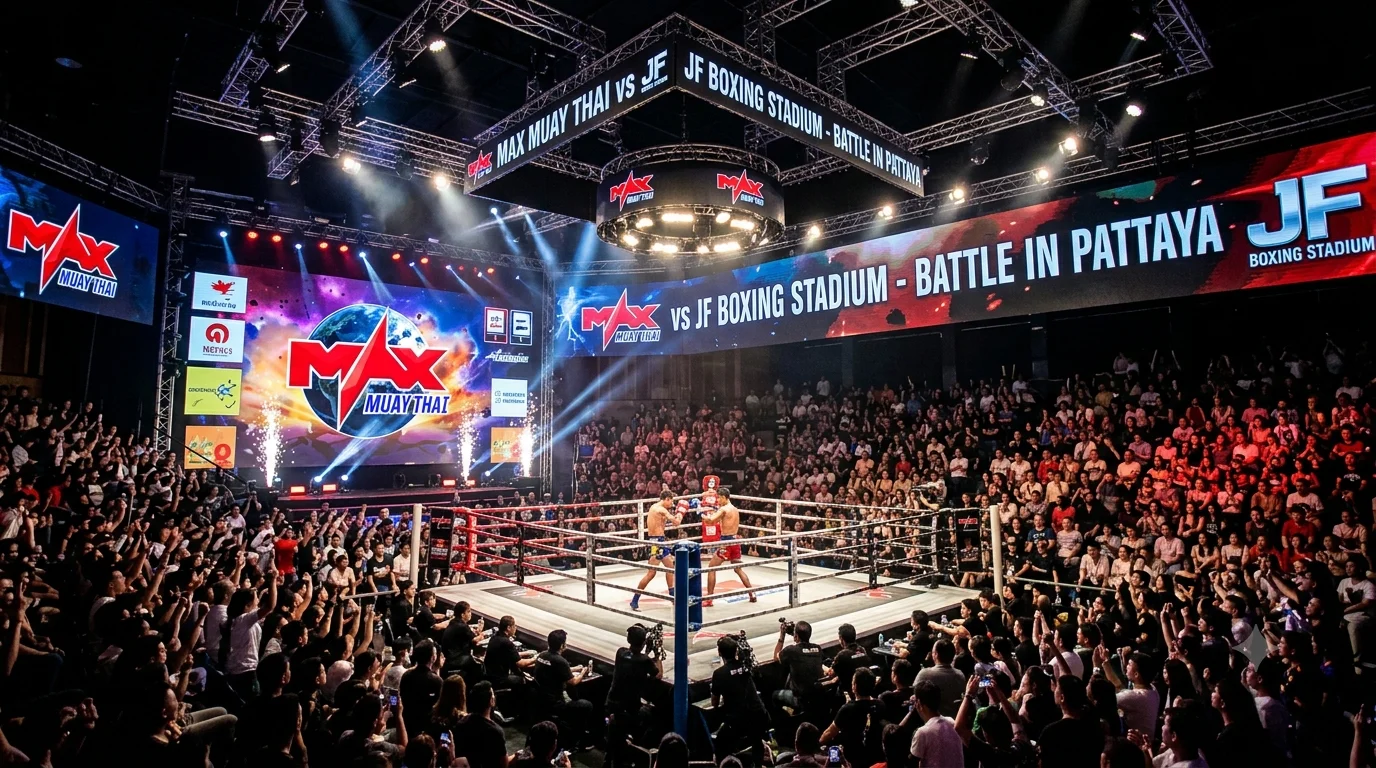
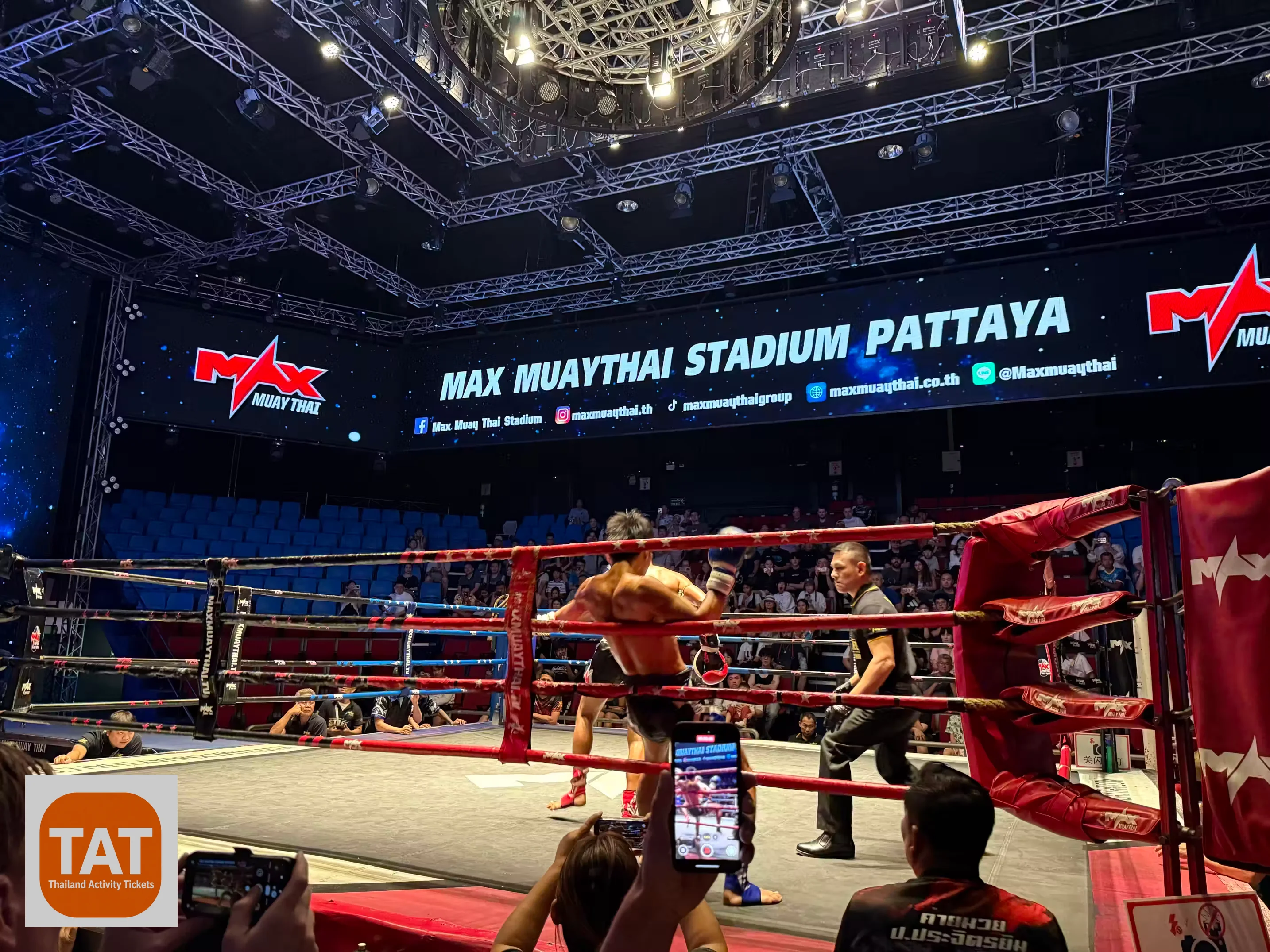
Before every professional bout, fighters perform the Wai Khru Ram Muay — a slow, ceremonial dance around the ring accompanied by live traditional music. It's a mark of respect to trainers, training camps, and the sport's history, and it's performed regardless of the fighter's experience level or the size of the crowd. You'll see this ritual performed live before every fight card at venues like MAX Muay Thai Stadium, where it opens every night of fights.
What This Means for Your First Fight Night
Once you know how scoring works and what counts as a foul, the fights make a lot more sense in real time — you'll notice ring control and clinch dominance instead of just counting strikes. If you're deciding where to catch a live card, Pattaya has several well-established venues worth comparing before you book:
New to the etiquette side too? Check our tourist etiquette guide and the sport's history for the fuller picture.
- MAX Muay Thai Stadium Tickets — all-VIP seating with fight cards every night of the week
- JF Boxing Stadium Pattaya Tickets — ringside Muay Thai in a more intimate setting
Both venues follow the same scoring and rules covered above, so once you know what to watch for, you'll get the most out of either fight night. Browse more things to do in Pattaya to plan the rest of your evening around it.
Explore Destinations

Frequently Asked Questions
Professional fights are typically 5 rounds of 3 minutes, with a 2-minute break between rounds