A Short History of Muay Thai: From Battlefield to Stadium
Discover the history of Muay Thai — from its origins as Siamese battlefield combat to its evolution into Thailand's national sport and modern stadium fights.
A Short History of Muay Thai: From Battlefield to Stadium
Long before Muay Thai filled stadiums in Pattaya and Bangkok with paying spectators, it was a matter of survival. Understanding where the sport came from — and how it transformed from military training into the ritualized, regulated sport you see today — makes watching a modern fight card hit differently.
Origins on the Battlefield
Muay Thai's roots trace back centuries to the martial traditions of the Siamese kingdoms, where hand-to-hand combat skills were essential for soldiers when weapons were lost or broken in battle. Early fighters trained to use their entire body — fists, elbows, knees, and shins — as weapons, which is where the sport's nickname, the "art of eight limbs," comes from.
Historical accounts describe Muay Boran, the precursor to modern Muay Thai, being taught alongside sword and staff fighting as part of a soldier's broader combat training. It wasn't a separate sport yet — it was survival skill.
From Military Training to National Pastime
Over time, Muay Boran moved beyond the battlefield and into civilian life. Villages held informal matches during festivals and celebrations, and fighters began to build local reputations. Kings and nobility took an interest too — some of Thailand's early monarchs were themselves known to train in and support the practice, which helped elevate it from folk tradition to a respected cultural institution.
One of the most retold stories in Muay Thai history involves Nai Khanom Tom, a Thai fighter captured by the Burmese army in the 18th century, who is said to have won his freedom by defeating multiple opponents in succession using traditional Thai boxing techniques. Whether every detail of the story is historically precise or partly legend, it's still celebrated today — National Muay Thai Day in Thailand marks the anniversary of his fight.
Formalizing the Sport: Rules, Rings, and Rankings
Muay Thai stayed largely informal — bare-fisted, without weight classes or standardized rounds — well into the early 20th century. That began to change in the 1920s and 1930s, when Thailand started introducing structure closer to Western boxing:
- Boxing gloves replaced the rope-wrapped fists (kaad chuek) traditionally used
- Weight classes were introduced to create fairer matchups
- Timed rounds and a roped ring replaced open-ground fighting
- Formal judging criteria were established, closer to the scoring system still used today
This period is what transformed Muay Thai from a loosely organized cultural practice into an organized combat sport with consistent rules — a necessary step before it could be staged in dedicated stadiums.
The Rise of the Stadiums
Thailand's two most historically significant venues, Lumpinee Stadium and Rajadamnern Stadium in Bangkok, opened in the mid-20th century and became the sport's competitive heart. Fighters who topped the rankings at these stadiums were considered the best in the country, and titles won there still carry enormous prestige in Muay Thai today.
As the sport's popularity grew — and as Thailand's tourism industry expanded in the following decades — stadiums opened in other cities too, bringing regular fight cards to destinations like Pattaya and Phuket where visitors could experience Muay Thai without traveling to Bangkok.
Muay Thai Goes Global
From the late 20th century onward, Muay Thai spread well beyond Thailand's borders. International fighters began training at Thai gyms and competing on Thai cards, gyms opened across Europe, the Americas, and Asia, and Muay Thai techniques were increasingly adopted into mixed martial arts training worldwide. Today it's practiced as both a competitive sport and a fitness discipline in gyms far from where it originated — but the stadiums in Thailand remain where the sport's history and its present collide most directly.
Why This History Still Shows Up in Every Fight Card
The Wai Khru ritual performed before every bout, the live musical accompaniment, and even the mongkol headband fighters wear into the ring are all direct threads back to Muay Thai's ceremonial and martial past. When you watch a fight card today, you're not just seeing a modern combat sport — you're seeing centuries of tradition compressed into a single night.
If you want to understand what you're watching once the ritual ends, our guide to Muay Thai rules and scoring breaks down how fights are judged, and our Wai Khru ceremony explainer covers the meaning behind the pre-fight ritual in more depth.
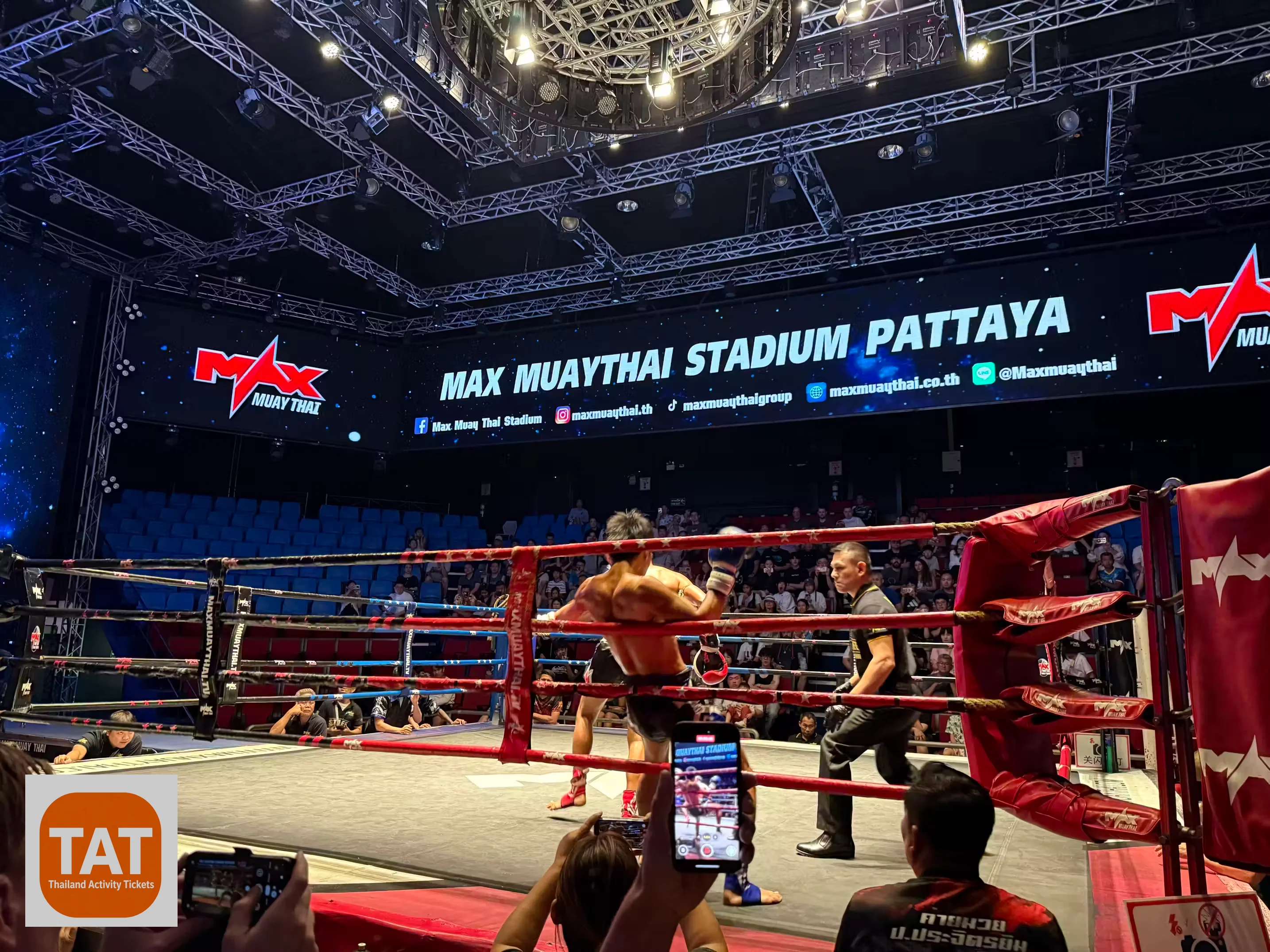
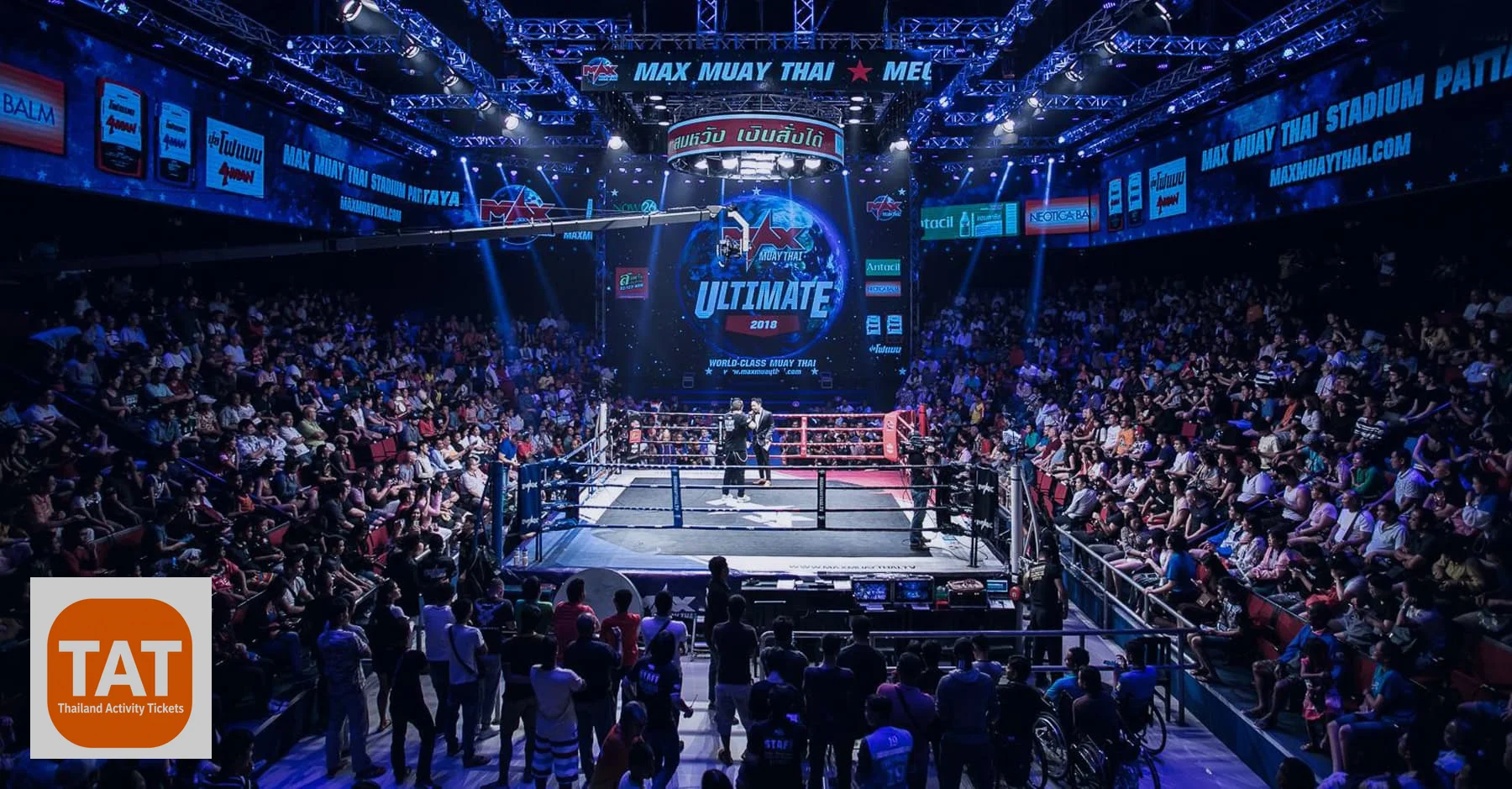
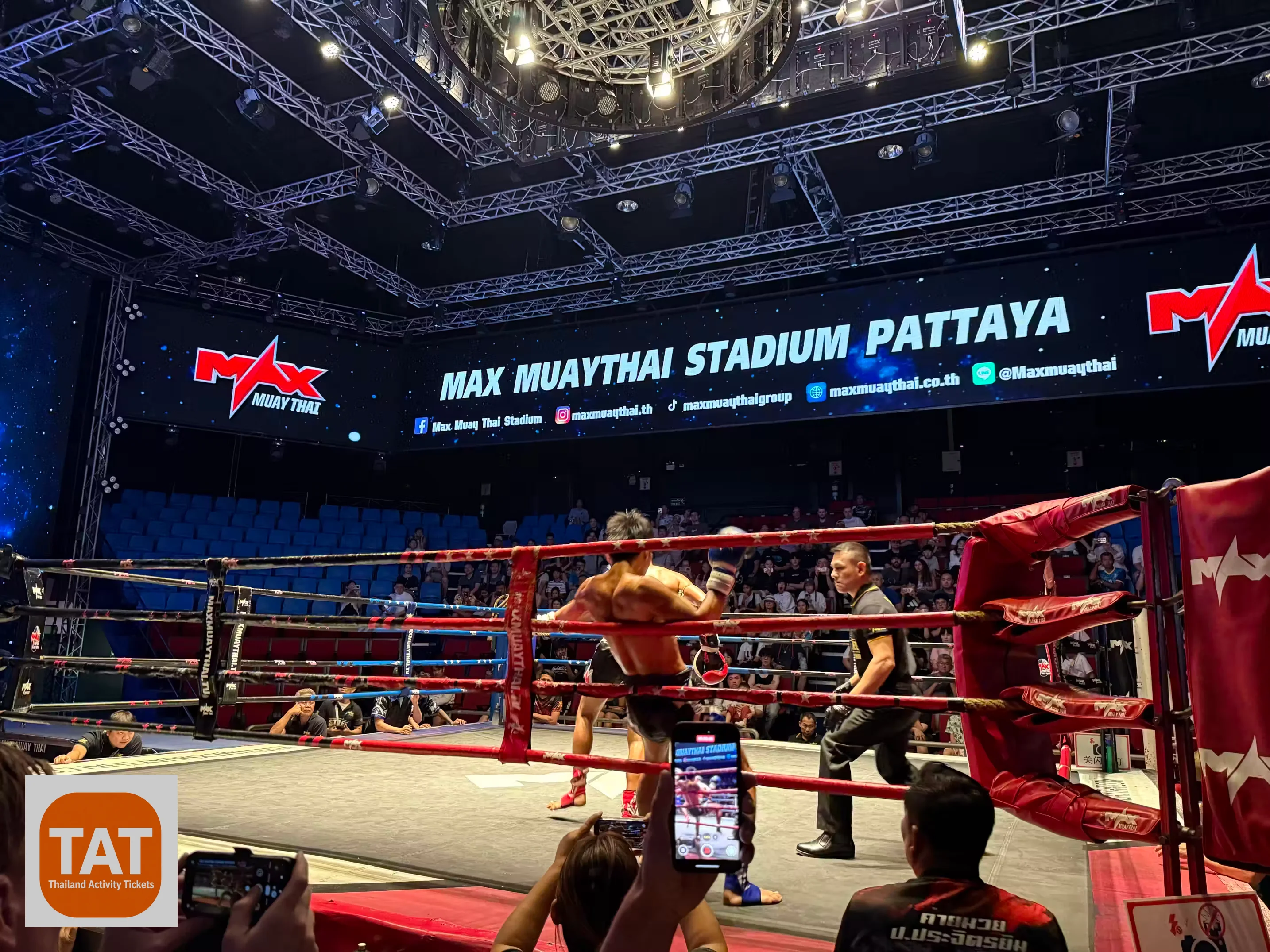
You can see all of this living history play out in person at MAX Muay Thai Stadium and JF Boxing Stadium Pattaya, both running fight cards most nights of the week.
Our etiquette guide for tourists covers what to expect, and our MAX vs. JF Boxing Stadium comparison helps you pick a venue.
Frequently Asked Questions
Muay Thai developed from Muay Boran, a Siamese battlefield combat system used by soldiers for hand-to-hand fighting when weapons were unavailable, evolving over centuries into the sport practiced today.