What Is the Wai Khru Ceremony? The Ritual Before Every Muay Thai Fight
What is the Wai Khru ceremony in Muay Thai? Learn the meaning behind the ritual dance every fighter performs before stepping into the ring in Thailand.
What Is the Wai Khru Ceremony? The Ritual Before Every Muay Thai Fight
Before a single strike is thrown, every Muay Thai fighter performs a slow, deliberate ritual around the ring — circling the ropes, kneeling toward their corner, and moving through a sequence that looks almost like a dance. First-time spectators often assume it's a warm-up. It isn't. This is the Wai Khru Ram Muay, one of the oldest and most meaningful traditions in Thai boxing, and understanding it changes how you watch everything that follows.
What Does "Wai Khru" Mean?
"Wai" refers to the traditional Thai gesture of respect — palms pressed together, head slightly bowed. "Khru" means teacher. Together, Wai Khru translates roughly to "paying respect to one's teacher," and in Muay Thai it's a ceremonial way for a fighter to honor the trainers, gyms, and lineage that shaped them before the fight even begins.
Wai Khru vs. Ram Muay: Are They the Same Thing?
The full ritual is often called the Wai Khru Ram Muay, and it actually has two parts:
- Wai Khru — the respectful bow and prayer-like movements paying tribute to teachers, parents, and ancestors
- Ram Muay — the dance-like performance that follows, where a fighter often shows movements specific to their camp or personal style
In everyday conversation, most people — including commentators at stadium fight nights — use "Wai Khru" to refer to the entire ritual, so you'll hear the terms used somewhat interchangeably.
What Happens During the Ritual
While the exact sequence varies slightly by fighter and camp, the ritual typically follows a consistent structure:
- Entrance — fighters enter wearing a mongkol (a sacred headband) and pra jiad (armbands), often with a robe representing their gym
- Circling the ring — the fighter walks the perimeter of the ring, touching the ropes at each corner, symbolically sealing out bad luck and closing off negative energy
- Kneeling and prayer — facing their own corner, the fighter kneels and performs a series of bows, honoring their trainers and family
- The dance — the fighter rises and performs a sequence of movements, sometimes stylized to represent animals, warriors, or specific techniques passed down by their gym
- Removal of the mongkol — the sacred headband is removed by the trainer just before the fight begins, signaling the ritual is complete
Why Live Music Plays Throughout
Part of what makes the Wai Khru so distinctive is the accompanying music, played by a small onstage ensemble typically featuring a Thai oboe-like instrument (pi Java), drums, and cymbals. The tempo of the music actually speeds up as the ritual progresses, building anticipation for the opening bell — and the same musicians continue playing throughout the fight itself, with the rhythm shifting to match the pace and intensity of the action in the ring.
Does Every Fighter Perform It the Same Way?
No — and that's part of what makes it interesting to watch across multiple fights on the same card. While the core structure stays consistent, each training camp tends to have its own signature movements within the Ram Muay portion, sometimes passed down for generations. Experienced fight fans can often recognize which gym a fighter trained at just from their ritual before the bout even starts.
Is the Wai Khru Only Ceremonial, or Does It Serve a Practical Purpose?
Both. Beyond its spiritual and respectful significance, the ritual also gives fighters a structured way to settle their nerves, warm up their muscles, and mentally transition into fight mode — not unlike how athletes in other sports use pre-match routines. It's tradition and function combined into one sequence.
Watching the Wai Khru in Person
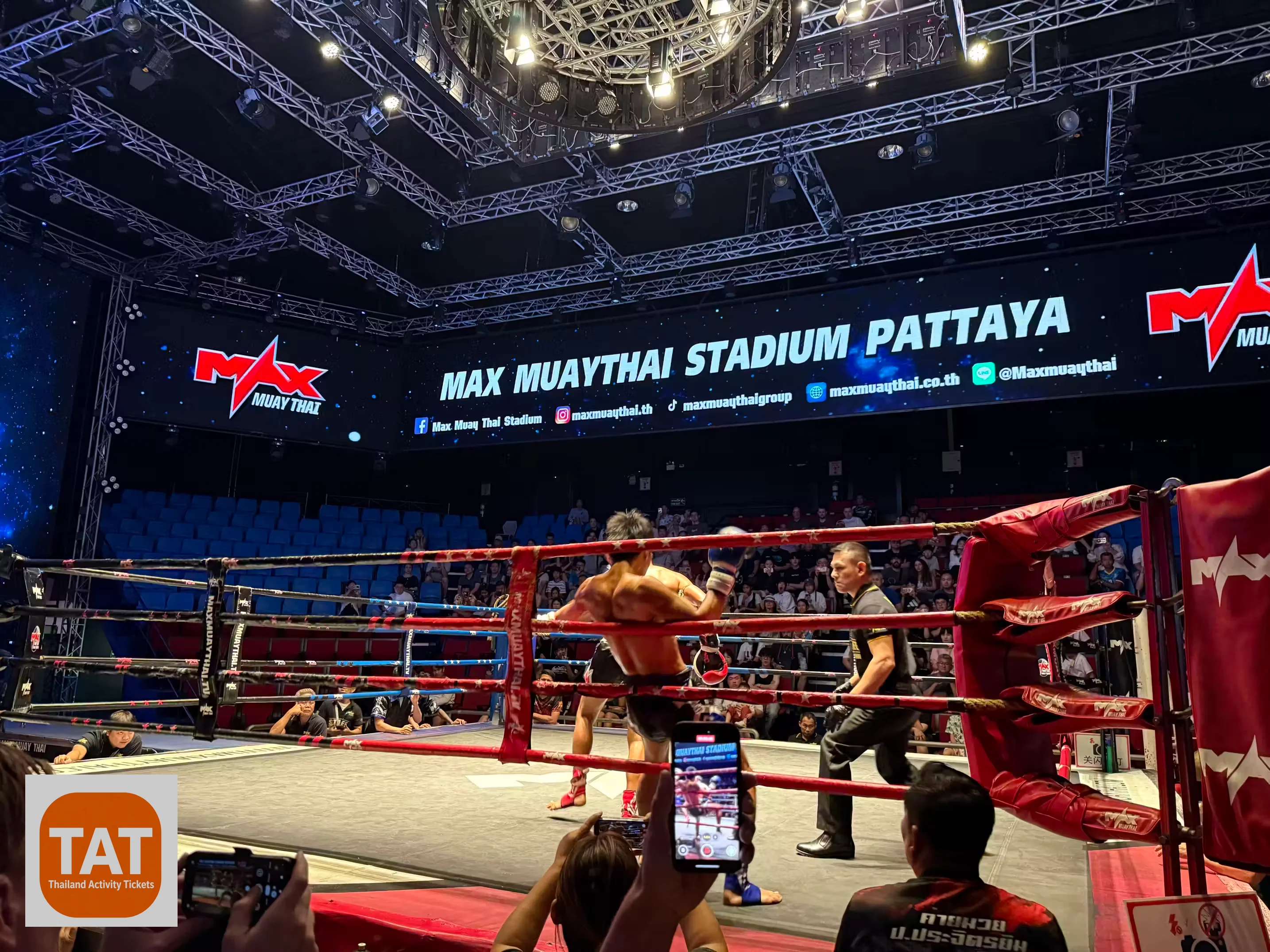
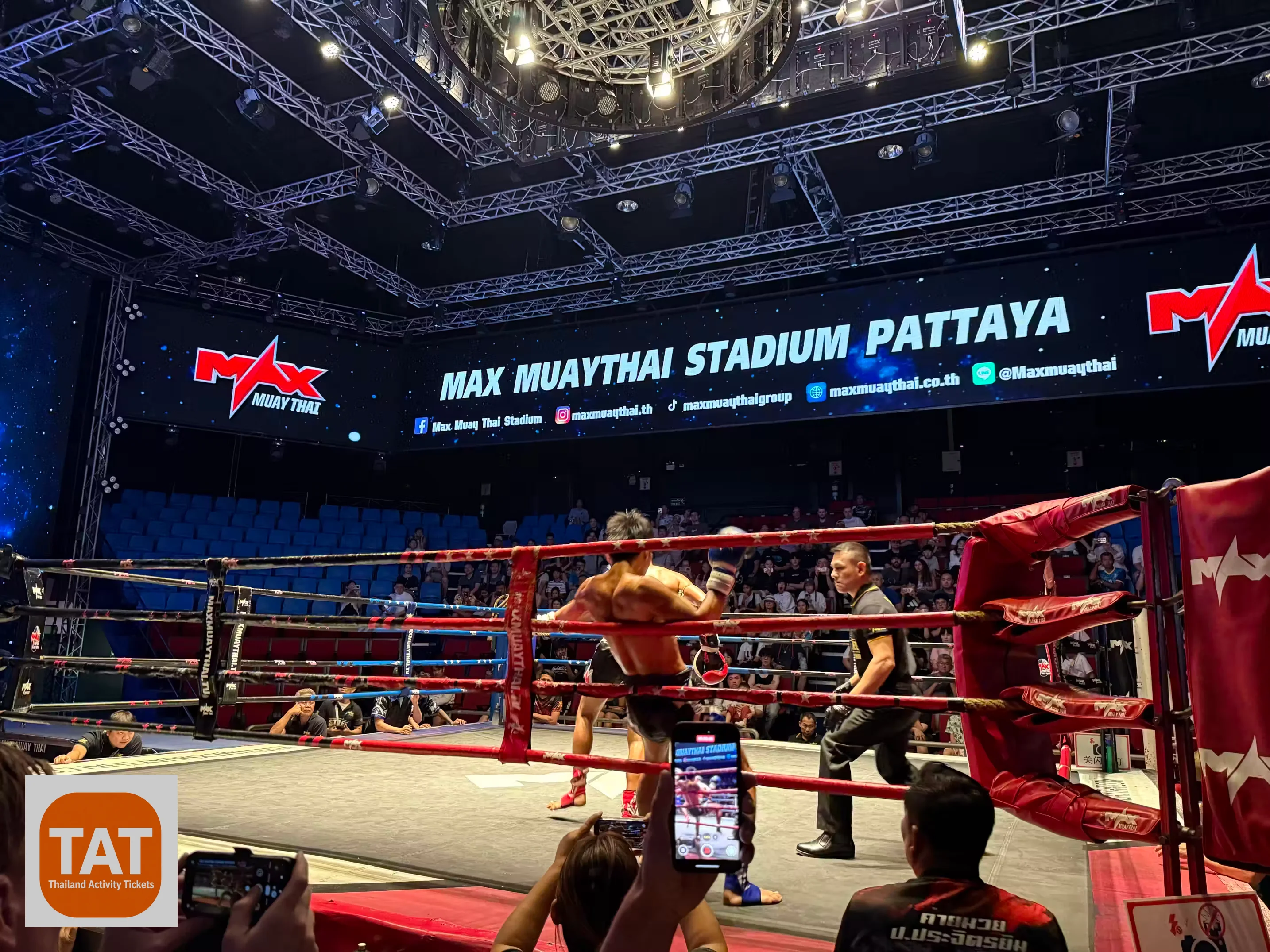
Photos and video clips don't fully capture what the ritual feels like live — the music building in the background, the crowd going quiet in anticipation, and the fighter's focus visibly sharpening as the mongkol comes off. If you're new to Muay Thai, it's worth arriving in time for the full pre-fight ritual rather than just the bout itself; it's a meaningful part of the sport that's easy to miss if you walk in late. You can catch it live before every fight at MAX Muay Thai Stadium and JF Boxing Stadium Pattaya, both of which run fight cards most nights of the week.
If you want to understand what happens after the ritual ends, our guide to Muay Thai rules and scoring covers how judges score a fight and what counts as a foul.
For the full picture before you go, see our etiquette guide and short history of Muay Thai.
Explore Destinations
Frequently Asked Questions
Wai Khru means "paying respect to one's teacher." It's a ceremonial ritual performed before every professional Muay Thai fight to honor trainers, gyms, and family.